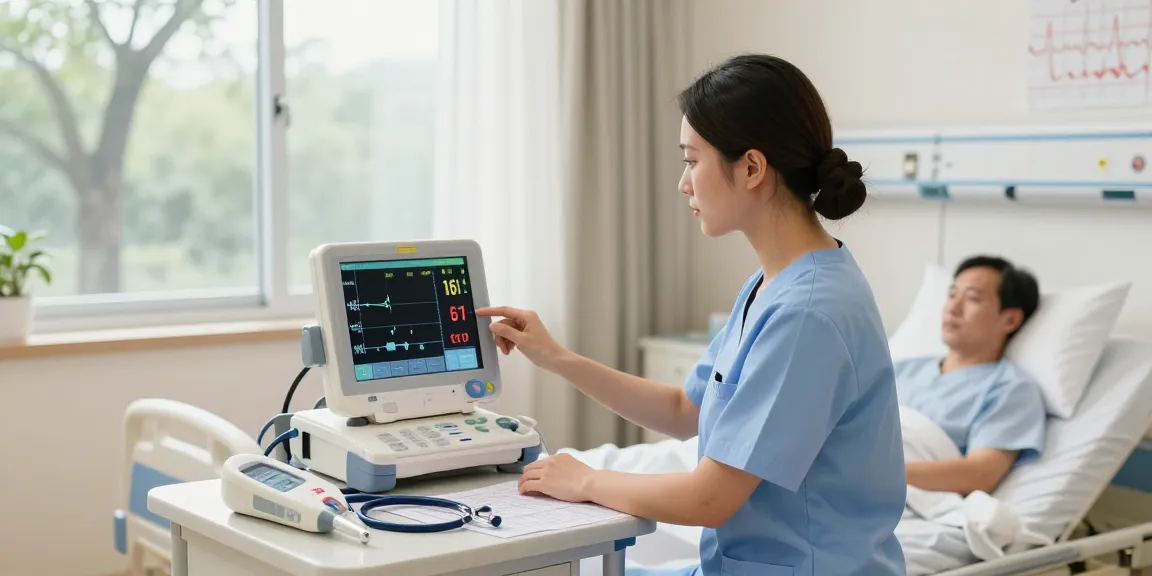
Understanding Vital Signs Monitoring
Vital signs monitoring is a crucial aspect of patient care, providing healthcare professionals with essential data that reflects a patient’s current health status. The accurate measurement and interpretation of vital signs help in early diagnosis, effective treatment planning, and ongoing monitoring of patient conditions. With advances in medical technology, the vital signs monitor has evolved significantly, integrating sophisticated features that enhance both efficiency and accuracy in clinical environments.
What Are Vital Signs and Their Importance?
Vital signs are a set of clinical measurements that reflect the body’s essential physiological functions. They typically include heart rate, blood pressure, respiratory rate, and temperature. Each of these components offers critical insights into a patient’s health condition. For instance, a sudden spike in blood pressure may indicate an impending cardiovascular issue, while an elevated heart rate can signify stress or infection.
- Heart Rate: The number of beats per minute, an increase can indicate stress or fever.
- Blood Pressure: Measures the pressure exerted by circulating blood on the walls of blood vessels.
- Respiratory Rate: The number of breaths taken in a minute, important for assessing lung function.
- Temperature: A key indicator of infection or other health issues.
Types of Vital Signs Monitors Available
There is a variety of vital signs monitors available, each designed to cater to specific clinical needs. These include handheld devices suitable for emergency settings, as well as sophisticated bedside monitors used in critical care environments.
- Digital Blood Pressure Monitors: Often used at home or in outpatient settings.
- Cardiac Monitors: Used in hospitals to continuously track heart rhythms.
- Multiparameter Monitors: Can measure several vital signs simultaneously, ideal for ICU settings.
- Wearable Monitors: Increasingly popular for home health monitoring and telemedicine applications.
Key Metrics: Heart Rate, Blood Pressure, and More
Each vital sign provides unique insights and should be interpreted in the context of the patient’s overall clinical picture. Understanding these metrics is vital for healthcare practitioners to make informed medical decisions.
How to Choose the Right Vital Signs Monitor
Selecting the appropriate vital signs monitor can seem overwhelming due to the myriad options available. However, understanding your specific requirements can simplify the process greatly.
Factors to Consider in Selection
When choosing a vital signs monitor, consider the following factors:
- Accuracy: Ensure the monitor provides precise measurements.
- Ease of Use: A user-friendly interface is crucial, especially in emergency settings.
- Portability: For situations requiring mobility, lightweight and compact monitors are preferred.
- Connectivity: Consider whether the device can integrate with existing electronic health records (EHR).
Comparing Features Across Different Models
It’s important to compare various models based on their features. Look at things like data storage capacity, alarm settings, and battery life, which can greatly affect usability in critical situations.
Cost vs. Benefit: Making Informed Decisions
While budget considerations are important, the long-term benefits of investing in a high-quality vital signs monitor often outweigh initial costs. Cheaper options may lead to inaccuracies that result in poor patient outcomes, which can increase overall costs due to additional treatments.
Implementing Vital Signs Monitors in Clinical Settings
Proper implementation of vital signs monitors is essential to maximize their potential in enhancing patient care. This includes installation, training, and integration into workflow protocols.
Best Practices for Installation and Setup
To ensure the effectiveness of the vital signs monitor, follow best practices for installation:
- Follow manufacturer guidelines for setup.
- Ensure the device is calibrated frequently.
- Position the monitor optimally for easy access while ensuring patient comfort.
Training Staff to Use Vital Signs Monitors Effectively
All relevant staff should receive thorough training on how to operate the monitor, interpret the readings, and respond to the alarms effectively. Regular refresher courses can help maintain high standards of care.
Integrating Monitors into Patient Care Protocols
Vital signs monitoring should be part of a comprehensive patient care protocol. Define when and how often to take measurements based on the patient’s condition and treatment plan to facilitate timely interventions.
Maintaining and Troubleshooting Vital Signs Monitors
Regular maintenance and troubleshooting are critical for ensuring the reliability of vital signs monitors. Establish a routine maintenance schedule based on manufacturer recommendations to minimize downtime and ensure accuracy.
Routine Maintenance Procedures for Reliability
Include the following in your maintenance plan:
- Regular calibration checks.
- Battery replacement or recharging.
- Software updates as necessary.
Common Issues and How to Resolve Them
Common problems can include inaccurate readings, device malfunctions, or alarm failures. Training staff to recognize these issues and implement troubleshooting protocols can help reduce the risks associated with incorrect vital sign readings.
Upgrading Monitors for Enhanced Performance
With rapid technological advancements, consider upgrading your monitors to incorporate the latest features that enhance performance, such as wireless connectivity or advanced data analytics capabilities.
Future Trends in Vital Signs Monitoring Technology
The future of vital signs monitoring is being shaped by technological innovations and changing healthcare practices. Understanding these trends will help healthcare providers stay ahead in patient care.
Emerging Technologies Shaping the Industry
New technologies such as artificial intelligence (AI) and IoT (Internet of Things) are revolutionizing the way vital signs are monitored. These technologies enable real-time data analysis and predictive modeling to enhance patient outcomes.
Telemedicine and Remote Monitoring Innovations
With the rise of telemedicine, remote monitoring has become increasingly important. Vital signs monitors that can transmit data securely to healthcare providers allow for continuous patient monitoring and timely interventions without requiring in-person visits.
Predictions for Vital Signs Monitoring in 2026
By 2026, we expect vital signs monitoring to include even more advanced features, such as enhanced AI capabilities for predictive analytics, smaller and more user-friendly devices, and greater integration with wearable technology.
What Are the Benefits of Seamless Integration?
Seamless integration of vital signs monitors into electronic health record systems promotes efficient data sharing, reduces redundancy, and improves clinical decision-making by providing a comprehensive view of patient health.
What Should I Look for When Buying a Vital Signs Monitor?
Key considerations include reliability, ease of use, range of measurable parameters, connectivity options, and compliance with health regulations.
How Do Vital Signs Monitors Enhance Patient Care?
By providing accurate, real-time data, vital signs monitors empower healthcare providers to make timely decisions, improve patient outcomes, and reduce the risk of complications.
What are the Key Features of Modern Vital Signs Monitors?
Modern monitors often include features such as touchscreen interfaces, wireless connectivity, customizable alarms, and integration with telehealth solutions, all of which enhance usability and patient management.
How Are Future Trends Impacting Monitoring Technology?
Future trends are leading to more adaptable, patient-friendly devices that promote proactive care and enable healthcare providers to respond swiftly to patient needs through data-driven insights.