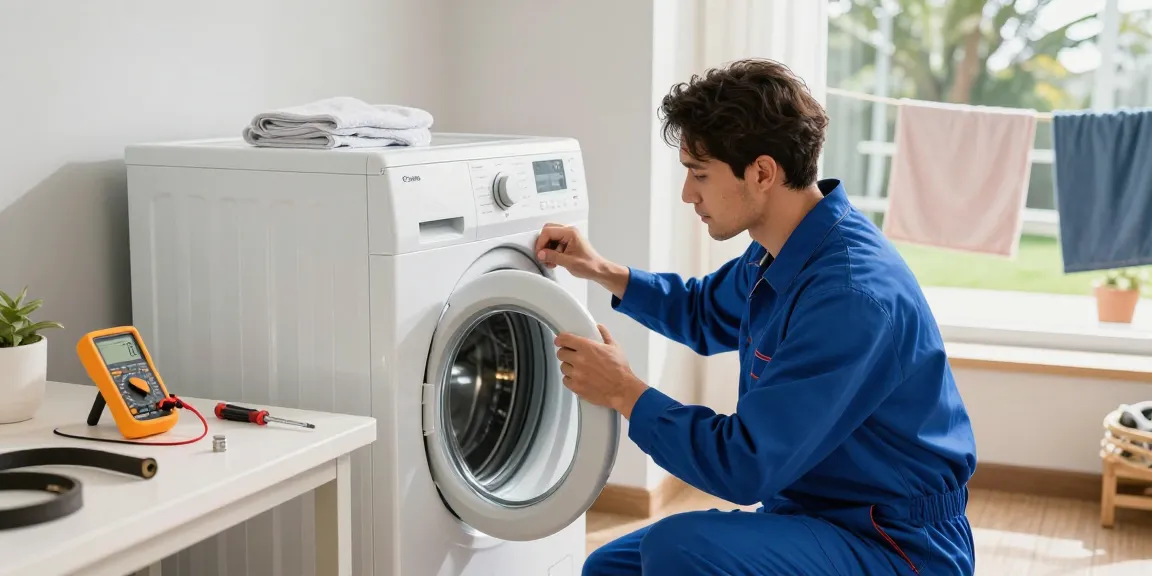
Understanding Common Dryer Issues
Dryers are essential household appliances that make laundry days more manageable by efficiently drying clothes. However, like any appliance, they are not immune to issues that can arise over time. Understanding the common problems associated with dryers and how to repair them is crucial for maintaining their performance and prolonging their lifespan. In this guide, we will explore the typical symptoms that indicate a need for dryer repair, common misconceptions about dryer maintenance, and effective diagnostic techniques.
What Symptoms Indicate a Need for Dryer Repair?
Recognizing the signs that your dryer may need repair is the first step toward addressing the issue. Some common symptoms include:
- No heat: If your dryer runs but doesn't produce heat, it may be due to a faulty heating element, thermostat, or thermal fuse.
- Excessive noise: Loud banging or squeaking sounds can point to worn-out drum rollers or a loose belt.
- Long drying times: If your clothes take longer than usual to dry, it might be a sign of clogged vents or a malfunctioning blower.
- Burning smell: A burning odor during operation can indicate overheating, potentially due to lint buildup in the vents or a failing motor.
Common Misconceptions About Dryer Maintenance
Many homeowners harbor misconceptions about dryer maintenance. For instance, it's a common belief that dryer lint traps are sufficient for preventing fires. However, while lint traps are crucial, they do not catch all debris. It's essential to clean not only the trap but also the exhaust vent regularly to minimize fire hazards.
Another misconception is that all dryer repairs are costly and complicated. In reality, several issues can be fixed with basic tools and a bit of knowledge, allowing homeowners to save money by tackling minor repairs themselves.
How to Diagnose Dryer Problems Like a Pro
Diagnosing dryer problems accurately is essential for effective repair. Start with the following steps:
- Visual inspection: Check for visible signs of damage or wear, including the power cord and venting system.
- Listen for sounds: Identify unusual sounds during operation to help pinpoint issues.
- Perform basic tests: Use a multimeter to test for electric continuity in components like the heating element and thermal fuse.
Essential Tools for Effective Dryer Repair
Having the right tools is vital for any successful repair. Whether you’re a seasoned DIYer or a beginner, equipping yourself with essential tools can make the process smoother and more efficient.
Must-Have Tools for the DIY Dryer Technician
To conduct various repairs on your dryer, consider adding the following tools to your kit:
- Screwdrivers: Both flathead and Phillips screwdrivers are necessary for removing panels and components.
- Wrench set: A set of adjustable wrenches helps in loosening bolts and fittings.
- Multimeter: This device is crucial for checking electrical components and diagnosing problems accurately.
- Flashlight: A good flashlight is necessary for illuminating dark areas inside and around the dryer.
When to Call in Professional Help for Dryer Repairs
While many dryer issues can be handled by the average homeowner, certain situations necessitate professional intervention. If you encounter electrical issues or extensive mechanical failures, calling a qualified technician is advisable. Likewise, if your dryer is still under warranty, contacting the manufacturer or certified repair service is often the best route to avoid voiding the warranty.
Safety Precautions to Consider During Dryer Repair
Safety should always be a top priority when repairing household appliances. Follow these precautions:
- Disconnect power: Always unplug the dryer before starting any repairs to avoid electrical shock.
- Use protective gear: Wear safety goggles and gloves to protect against sharp edges and debris.
- Work in a well-ventilated area: If you're using cleaning chemicals or performing electrical repairs, ensure adequate ventilation.
Step-by-Step Guide to DIY Dryer Repair
Now that you're equipped with knowledge about common issues, tools, and safety precautions, let's delve into a step-by-step guide on how to tackle a couple of typical dryer repairs.
How to Replace a Dryer Belt Safely
Replacing a dryer belt can restore functionality to a dryer that is making a loud noise or has stopped tumbling. Here’s how to do it:
- Unplug the dryer and remove the front or back panel, depending on your model.
- Carefully remove the old belt, noting how it’s routed around the drum and motor.
- Install the new belt, ensuring it follows the same path.
- Reassemble the dryer, plug it back in, and run a test cycle.
Troubleshooting Electrical Issues in Dryers
Electrical issues can be intimidating, but many can be diagnosed with a multimeter:
- Test the power outlet to ensure it is receiving electricity.
- Check the power cord for signs of damage or wear.
- Use the multimeter to test for continuity in the heating element and thermal fuse.
Preparing the Dryer for Repair: Essential Steps
Before starting any repair, preparation is key. Here are the steps to follow:
- Clear the area around the dryer to ensure you have enough space to work.
- Gather all necessary tools and replacement parts before beginning the repair.
- Read the manufacturer’s manual to understand specific components and procedures for your dryer model.
Preventive Maintenance Tips for Longevity
To ensure your dryer lasts as long as possible, implementing preventive maintenance is crucial. Regular upkeep can help avoid major repairs and extend the life of your appliance.
Best Practices for Maintaining Your Dryer
Here are some best practices you should follow:
- Clean the lint trap before or after every load to improve efficiency.
- Inspect and clean dryer vents at least once a year to prevent lint buildup.
- Keep the area around the dryer clean and free of clutter to ensure proper airflow.
Signs Your Dryer Needs Regular Service
Be alert for these signs that indicate it's time for professional maintenance:
- Overheating or burning smells during operation.
- Clothes are still damp after a full drying cycle.
- Frequent tripping of circuit breakers associated with the dryer.
How to Keep Dryer Vents Clean and Efficient
Maintaining clean dryer vents is critical in preventing house fires and ensuring your dryer operates efficiently. Follow these steps:
- Detach the vent from the back of the dryer and clean it with a vacuum or dryer vent cleaning brush.
- Inspect the venting system for any kinks or blockages.
- Consider installing a vent flap to prevent outside debris from entering the vent system.
Future Trends in Dryer Technology and Repair
The appliance industry is continuously evolving, and understanding future trends can help you make informed decisions about your dryer. Here, we’ll examine the innovations expected in the coming years.
Innovations in Smart Dryer Features
With the rise of smart home technology, dryers are becoming increasingly sophisticated. Expect features like:
- Wi-Fi connectivity: Allowing users to monitor and control their dryers remotely through smartphone apps.
- Sensor technology: Automatically adjusting drying times and temperatures based on moisture levels in clothes.
Impact of Sustainability on Dryer Manufacturing
Sustainability is becoming a priority in appliance manufacturing. Manufacturers are focusing on energy-efficient designs and eco-friendly materials, which not only reduce environmental impact but also lower energy bills for consumers.
Predictions for the Dryer Repair Industry by 2026
As technology advances, so does the nature of repairs. Expect an increase in:
- Specialized knowledge for servicing smart appliances, requiring technicians to be tech-savvy.
- Remote diagnostics, allowing technicians to assess issues from a distance before arriving on-site.
What Can You Do to Ensure Your Dryer Lasts Longer?
Regular maintenance and prompt attention to issues can significantly extend the life of your dryer. Additionally, educating yourself on the specific needs of your model can help you identify problems early.
When Should You Consider Upgrading Your Dryer?
While regular repairs can enhance your dryer’s lifespan, there comes a time when upgrading makes more sense:. Additionally, appliance maintenance provides further details.
- If the cost of repairs exceeds 50% of the purchase price of a new dryer.
- If your dryer is more than 10-15 years old and frequently requires repairs.
- If you desire energy-efficient options that could save money on bills.