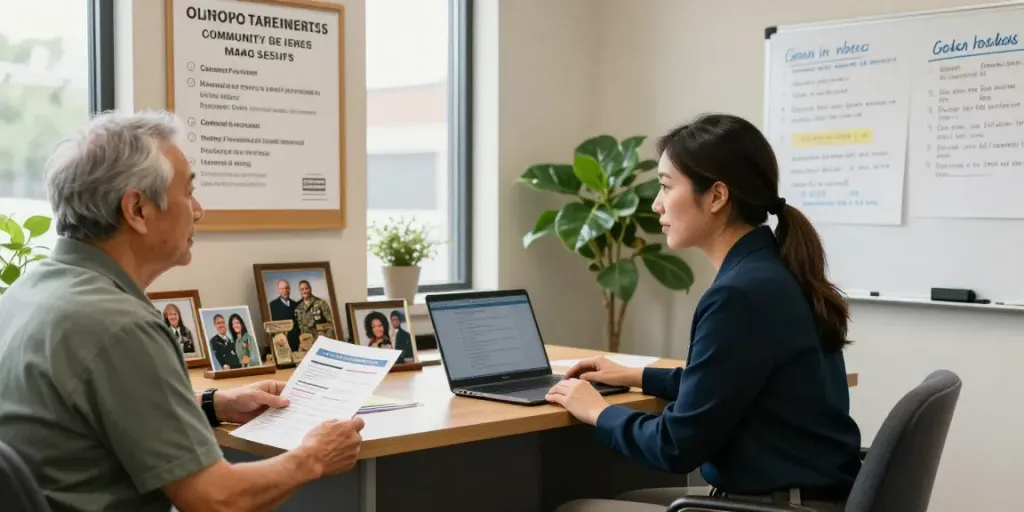
Understanding Veteran Case Management
Veteran case management is an essential support framework designed to assist veterans in navigating the complexities of post-military life. This multifaceted approach integrates various services, from healthcare and housing to employment and education, ensuring that veterans receive tailored assistance based on their unique needs. With the growing recognition of the challenges faced by veterans, especially in recent years, effective case management has become a crucial element in promoting their overall well-being and reintegration into civilian society. When exploring options, Veteran case management provides comprehensive insights into the resources available for this demographic.
What is Veteran Case Management?
Veteran case management involves a systematic process that assesses, plans, implements, coordinates, monitors, and evaluates the care and services provided to veterans. It serves as a bridge between veterans and the myriad of services they are entitled to, ensuring they receive holistic support tailored to their specific circumstances. This process often involves collaboration with various stakeholders, including healthcare providers, psychological support systems, and community organizations.
The Importance of Veteran Case Management
The significance of veteran case management cannot be overstated. Veterans often face unique issues such as post-traumatic stress disorder (PTSD), depression, and difficulties reintegrating into civilian life. Effective case management helps identify these issues early on and facilitates appropriate interventions. Furthermore, case managers play a vital role in educating veterans about their benefits, reducing confusion about access to services, and advocating for their needs within complex bureaucracies.
Key Components of Effective Case Management
- Assessment: A comprehensive evaluation of a veteran's physical, emotional, and social needs.
- Planning: Developing individualized care plans that outline specific goals and the necessary steps to achieve them.
- Coordination: Collaborating with various service providers to ensure that veterans receive cohesive and comprehensive care.
- Monitoring: Regularly reviewing the veteran’s progress towards their goals and making adjustments as necessary.
- Advocacy: Acting on behalf of veterans to secure the services they need and deserve.
Challenges Facing Veterans Today
Common Misconceptions About Veteran Support
Despite the growing awareness of veteran issues, misconceptions persist. One common myth is that all veterans are fully aware of their benefits and resources. In reality, many veterans lack information about the extensive services available to them, leading to underutilization and unnecessary hardships. This misconception can hinder effective case management, as veterans may not seek help due to a lack of awareness.
Understanding the Needs of Modern Veterans
The needs of contemporary veterans are diverse and dynamic. Many have experienced multiple deployments in combat zones, leading to complex mental health challenges and reintegration issues. Additionally, veterans from recent conflicts often face unique challenges compared to those from earlier service eras, such as access to technology-driven communication and support systems. Understanding these unique needs is crucial for case managers as they develop effective support strategies.
Barriers to Accessing Services
Barriers such as stigma, lack of transportation, and complicated bureaucratic processes often impede veterans from accessing the care they need. Moreover, many veterans may feel a sense of pride or fear of judgment that prevents them from reaching out for assistance. Case managers can play a pivotal role in helping veterans navigate these barriers by providing emotional support and practical solutions.
Best Practices for Veteran Case Managers
Building Trust and Rapport with Clients
Establishing trust is paramount in case management. Veterans often require reassurance that their case manager understands their unique experiences and challenges. This can be achieved through consistent communication, empathy, and active listening, which foster a safe environment for veterans to share their struggles openly.
Creating Personalized Action Plans
A one-size-fits-all approach does not work for veteran support. Case managers should develop personalized action plans that reflect each veteran's individual goals and challenges. This involves understanding their aspirations, whether related to employment, health, or housing, and tailoring resources to align with these objectives.
Collaborating with Community Resources
Effective case management extends beyond individual counseling. Collaborating with community resources, such as local non-profits, healthcare providers, and veterans' organizations, allows case managers to connect veterans with additional support networks. Building a comprehensive resource database can facilitate swift referrals and enhance service delivery.
Success Stories in Veteran Case Management
Real-World Case Studies of Effective Support
Several programs have successfully demonstrated the impact of effective case management. For example, the VA has implemented initiatives that significantly reduced homelessness among veterans by providing case managers who assist with housing applications, job training, and mental health services. These success stories highlight the transformative power of personalized support.
Lessons Learned from Successful Programs
Successful case management programs often emphasize flexibility, recognizing that each veteran’s path to recovery is unique. Programs that adapt to the changing needs of veterans, integrating feedback and employing innovative solutions, tend to yield better outcomes.
Measuring Outcomes and Client Satisfaction
Quantifying the success of case management services is essential for continuous improvement. Regular surveys and feedback mechanisms can help organizations gauge client satisfaction and identify areas for enhancement. Metrics such as employment rates, housing stability, and mental health improvement are critical indicators of program effectiveness.
Future Trends in Veteran Case Management
Innovative Tools and Technology in 2026
As we move further into the digital age, technology will play a defining role in veteran case management. Tools such as telehealth services, mobile apps for tracking health and benefits, and AI-driven platforms for resource allocation are set to revolutionize how case managers interact with and support veterans.
Emerging Best Practices for the Future
The future of veteran case management will likely see a greater emphasis on holistic care approaches that encompass not just physical health but also mental, social, and spiritual well-being. Training case managers to address the full spectrum of veterans' needs will be vital in this evolving landscape.
Predictions for Policy Changes Impacting Veterans
As societal attitudes toward veterans continue to evolve, it is expected that policy changes will reflect a more inclusive approach to veteran care. Advocacy for improved funding and resources, as well as streamlined access to benefits, will remain at the forefront of veteran support initiatives.
How to Stay Informed and Adaptive
Staying informed about the latest trends and practices in veteran case management is crucial for professionals in this field. Engaging in continued education, attending workshops, and participating in industry conferences can help case managers remain adaptable and effective in their roles.
What qualifications do you need to become a veteran case manager?
Typically, a bachelor’s degree in social work, psychology, or a related field is required, along with relevant experience in social services. Many employers also prefer candidates who possess certification in case management.
How can veterans access case management services?
Veterans can access case management services through various channels, such as the Department of Veterans Affairs (VA), local veteran organizations, and community service agencies. Outreach programs often assist veterans in connecting with these resources.
What are the benefits of effective veteran case management?
Effective veteran case management leads to improved mental health outcomes, greater job placement success, and enhanced overall quality of life for veterans. By providing structured support, case managers can help veterans navigate their challenges more effectively.
How do case managers measure success with veterans?
Success in veteran case management is measured through various metrics, including client satisfaction surveys, tracking progress towards personal goals, and monitoring health improvements. Recidivism rates for mental health issues and housing stability are also critical measures.
Are there resources for veterans with specific needs?
Yes, there are numerous resources tailored to veterans with specific needs, including support groups for PTSD, employment training programs for disabled veterans, and specialized healthcare services. Case managers are instrumental in connecting veterans with these targeted resources.